
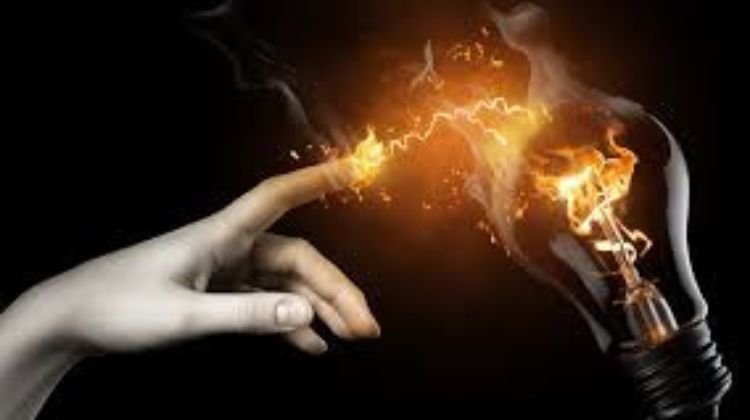
Electricity is generated by converting energy from one form to another.
Natural energy sources used to generate electricity include fossil fuels such as coal, wind energy, solar energy, hydroelectric power (water energy), and chemical energy using metals like lithium, nickel, and lead.
Uses of Electricity:
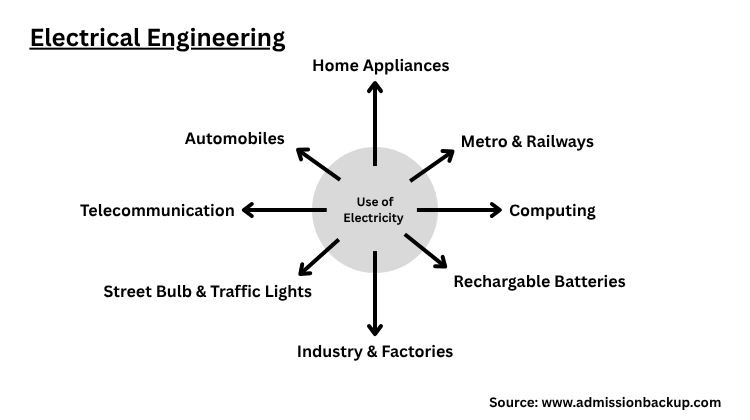
Electricity powers the entire modern infrastructure and is essential for almost all industries.
It is a basic necessity of life, as it is used to operate home appliances, automobiles, factories, telecommunication systems, and computing devices.
- A fan converts electricity into airflow.
- A bulb converts electricity into light.
- An induction cooker or microwave oven converts electricity into heat.
- A TV or radio converts electricity into sound.
- Motors convert electricity into mechanical energy, as seen in water pumps, washing machines, etc.
In this article, we will learn about the purpose of studying a B.Tech in Electrical Engineering.
B.Tech in Electrical Engineering
Components of Electricity:
Current is the rate of flow of electric charge, measured in amperes.
Voltage is the potential difference between two ends of a conductor, measured in volts.
Conductors are materials such as copper cables through which electric current flows.
Insulators are used to prevent power loss during transmission and to provide protection from electric shock.
Resistance is the effect caused by the collision of electrons as they move through a conductor.
Understanding How Electrical Charge Flows:
When we heat a vessel, we apply pressure.
A hot air balloon rises due to a difference in air pressure.
Similarly, in solids, when heat is applied, electrons begin to collide with each other.
Thus, electrical charge becomes uniformly distributed across all areas of a utensil.
A B.Tech in Electrical Engineering curriculum includes the study of:
- Ohm’s Law
- Kirchhoff’s Voltage Law
- Faraday’s Law
- Capacitors
- Inductors
- Power Distribution Systems
- Integrated and Logic Circuits
- Microprocessors and Microcontrollers
- Diodes and Rectifiers
- Signals & Systems
- Embedded Computers
- Transistors
- AC & DC Motors
Electromagnetic Effect:
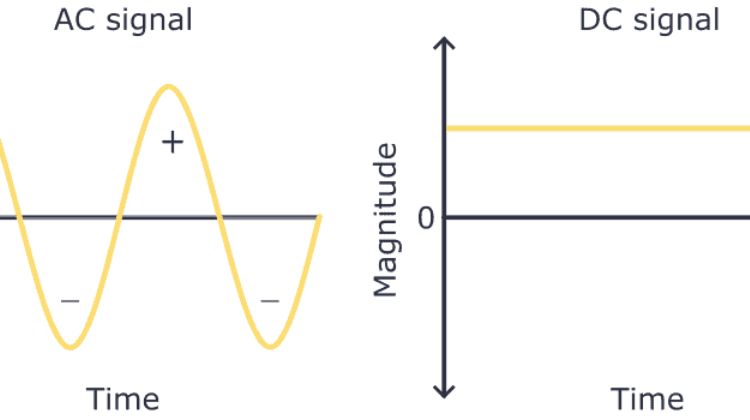
Electrical charge travels as a sinusoidal wave.
As a result, it creates a magnetic field around the electrical charge.
The electromagnetic effect is produced due to the amplitude and frequency of the electrical signal.
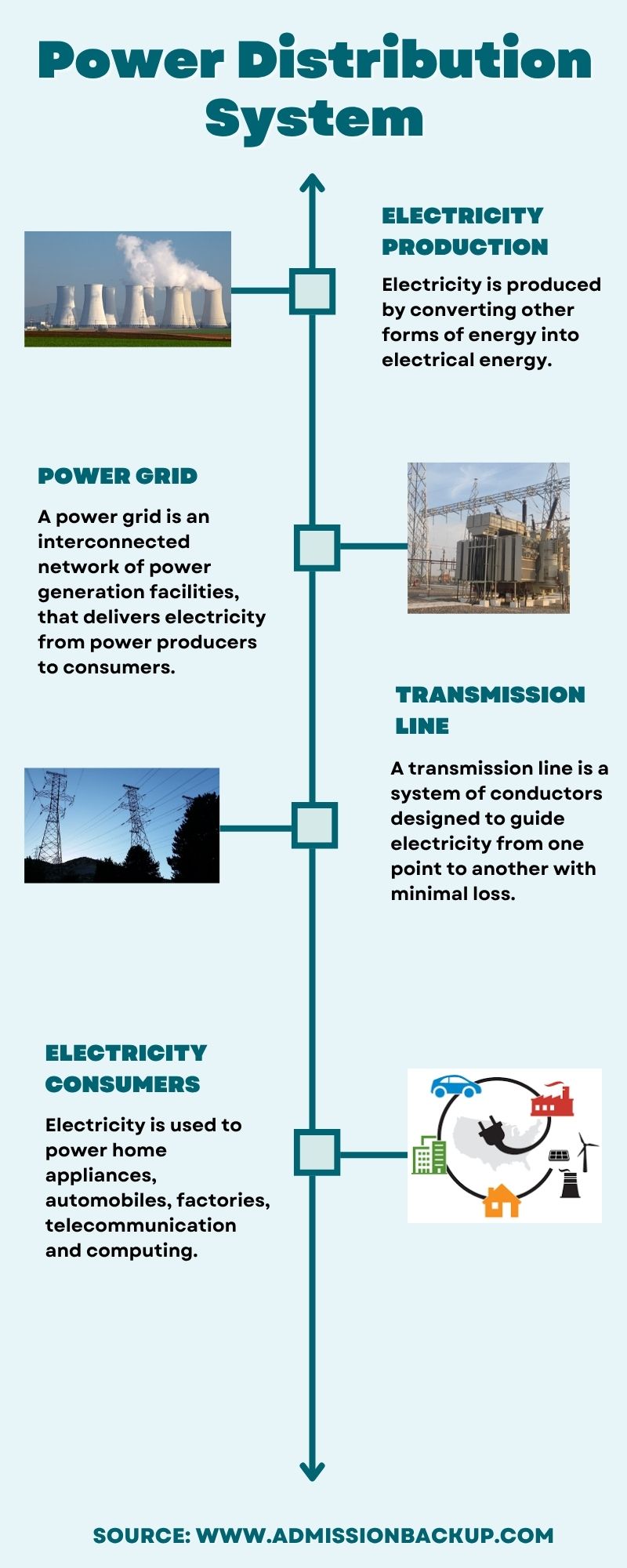
Power Distribution System:
A power distribution system delivers electricity in multiple phases.
Power is supplied to industries and factories in more than one phase to prevent shortages caused by power failure.
Even for home appliances, power is supplied using parallel wiring, which requires multiple wires and cables.
If electrical appliances are connected in series and a short circuit occurs, all the appliances will stop working.
Signals & Systems:
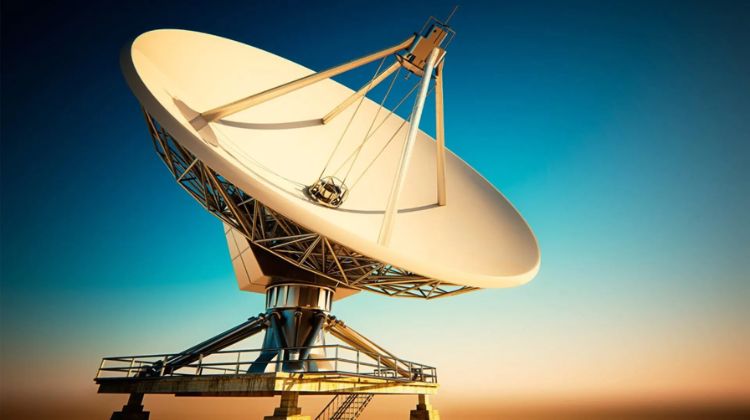
Analog signals are sinusoidal waveforms used in radio transmission, satellite communication, and telecommunication.
Analog signals usually occur in nature, such as sound waves propagating through air or signals generated by sensors.
Digital signals are square or rectangular waveforms created using logic gates and flip-flops.
Analog-to-digital converters are used to convert analog signals to digital signals and vice versa.
Digital signals are used in integrated circuits found in devices such as smartwatches, calculators, computers, smartphones, MP3 players, and televisions.
They carry bits of data, usually in the form of 0s and 1s, i.e., binary format.
A signal requires a medium to travel.
Analog signals propagate through air, while digital signals typically require wires or integrated circuits to transmit information.
An encoder or transducer converts analog signals into digital signals.
A decoder converts digital signals into human-readable formats.
Embedded Computers:
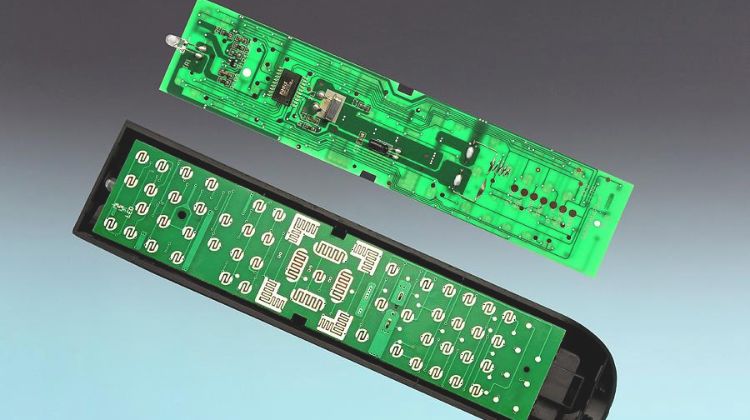
A microprocessor and a microcontroller together are known as embedded computers.
They are used as control devices in many appliances such as TV remote controls, washing machines, printers, air conditioners, traffic lights, and automobiles.
A microprocessor is the CPU that performs arithmetic and logical operations.
It is the brain of the embedded computer.
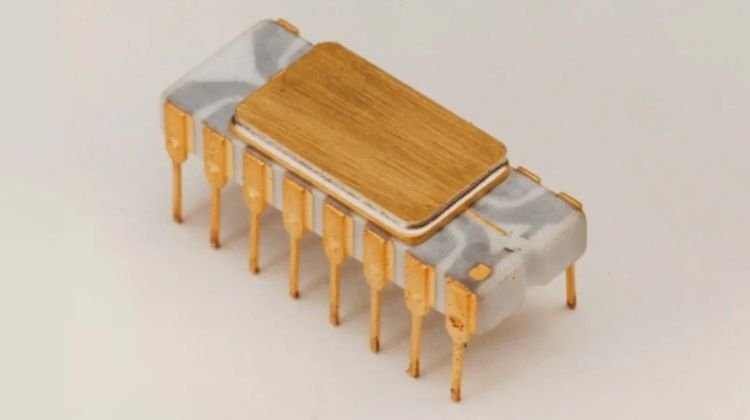
The first microprocessor was developed by Intel.
A microcontroller includes a microprocessor (CPU) to process information, ROM (Read-Only Memory) to store programs and instructions, and input devices such as a keypad—connected through buses, which are typically conducting wires.
Microprocessors and microcontrollers are semiconductor devices embedded on a circuit board.
Transistors:
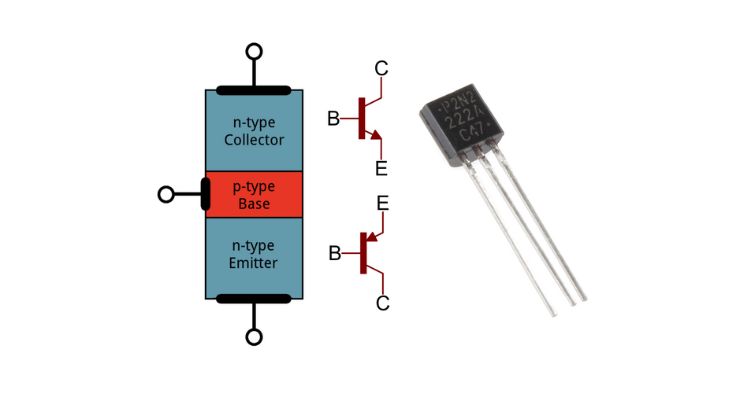
Transistors are semiconductor devices used to create logic gates and flip-flops, such as MOSFETs and BJTs.
They are the underlying technology used in manufacturing modern digital electronics.
A transistor is a device made of semiconductor material, used to amplify electrical signals and build digital logic circuits.
It consists of three terminals: the base, collector, and emitter (N-P-N transistor).
The base contains holes, which are positively charged carriers, while the collector and emitter contain negatively charged electrons.
When a small current is applied to the base, a large amount of current accumulates in the collector region and flows through the emitter.
Because like charges repel each other, the current flows from the collector to the emitter.
Transformers:
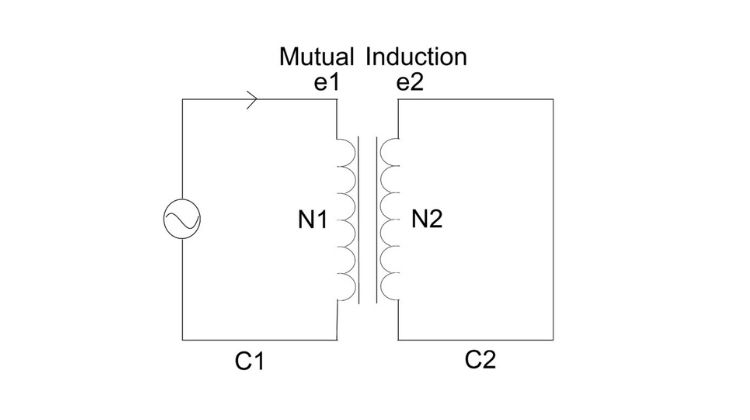
A transformer consists of several coils wound on a laminated iron core and is used in power distribution systems to transport electricity over long distances.
It works on the principle of Faraday’s Law of electromagnetism and mutual induction, and it is used to step voltage levels up or down as required.
AC & DC Motors:
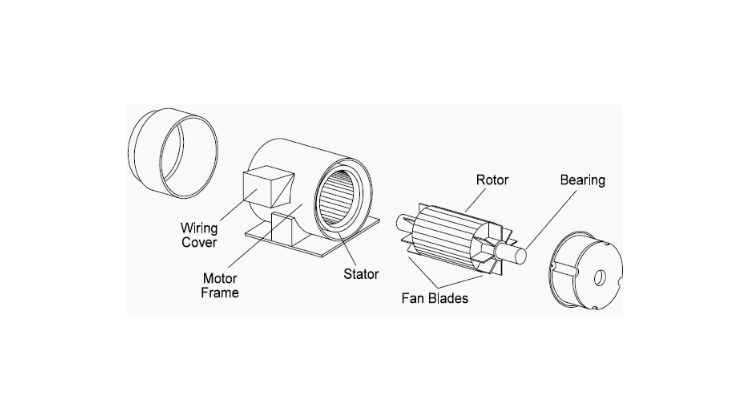
An electrical motor consists of a cylindrical rotor that spins inside a stator, converting electrical energy into mechanical energy.
AC motors are powered by an alternating current (AC) source and are commonly used in devices such as water pumps, washing machines, and fans.
DC motors are generally powered by batteries and are commonly used in automobiles, drones, and electric vehicles.
Generators:
A generator converts mechanical energy into electrical energy and is powered by fossil fuels, steam, flowing water, or wind.
Some Commonly Used Electrical Components in Circuit Design:
A diode is a semiconductor device that allows electricity to flow in one direction, acting as a valve.
A rectifier converts alternating current (AC) into direct current (DC), and is used for charging batteries in mobile phones and computers.
A register stores information in its memory and is fetched as per the instructions of the CPU.
Operational amplifiers are used in integrated circuits where current flows in a feedback loop to perform logical operations.
Modulators are used to encode information onto a signal and are widely used in wireless transmission.
Job Opportunities for Electrical Engineers:
Various multinational corporations manufacturing semiconductors offer employment opportunities to electrical engineers.
Some of these companies include Taiwan Semiconductor Manufacturing Company (TSMC), Intel, Samsung, NVIDIA, AMD, and Qualcomm.
Students who wish to pursue government jobs in India can apply for the GATE exam.
Some government organizations that recruit electrical engineers include Power Grid Corporation of India, Bharat Heavy Electricals Limited, and National Thermal Power Corporation.
Students can also pursue an M.S. or M.Tech in various Electrical Engineering specializations such as:
- Signals & Systems
- Power Electronics
- VLSI Design & Embedded Systems
Electrical Engineering provides ample career opportunities and is an ideal choice for higher education in the field of engineering after Class 12.
Top Private Engineering Colleges in India for B.E./B.Tech in Electrical Engineering:
- RV College of Engineering
- BMS College of Engineering
- Ramaiah Institute of Technology
- PES University
- Dayananda Sagar College of Engineering
- New Horizon College of Engineering
- BMS Institute of Technology & Management
- Nitte Meenakshi Institute of Technology
Students can join these colleges by appearing for the COMEDK or KCET entrance exams.
Seats are also available under the management quota for direct admission.
Conclusion:
Electricity and wireless systems have transformed human life and the way we communicate with each other.
Embedded computers are widely used in the manufacturing of electronic appliances and medical equipment, providing a variety of advanced features.
Electrical engineering is one of the vast fields of science and technology and has the capability to offer employment to millions of students.
It is an ideal career choice for students with strong mathematical skills.
Often, students skip this course because it requires a tremendous amount of study.
However, it is one of the most interesting courses to pursue after the 12th grade.
Some notable electrical engineers from India:
- Amar Bose: Sound engineer and founder of Bose Corporation
- Jagadish Chandra Bose: Inventor of the diode (a semiconductor device)
Only hardworking individuals will shine; therefore, we advise students to choose the best engineering specializations.
Pursuing a career in electrical engineering opens the door to many lucrative job roles.
For career consultation, please contact our helpline at +91 8546881677.



A Kids’ Dictionary